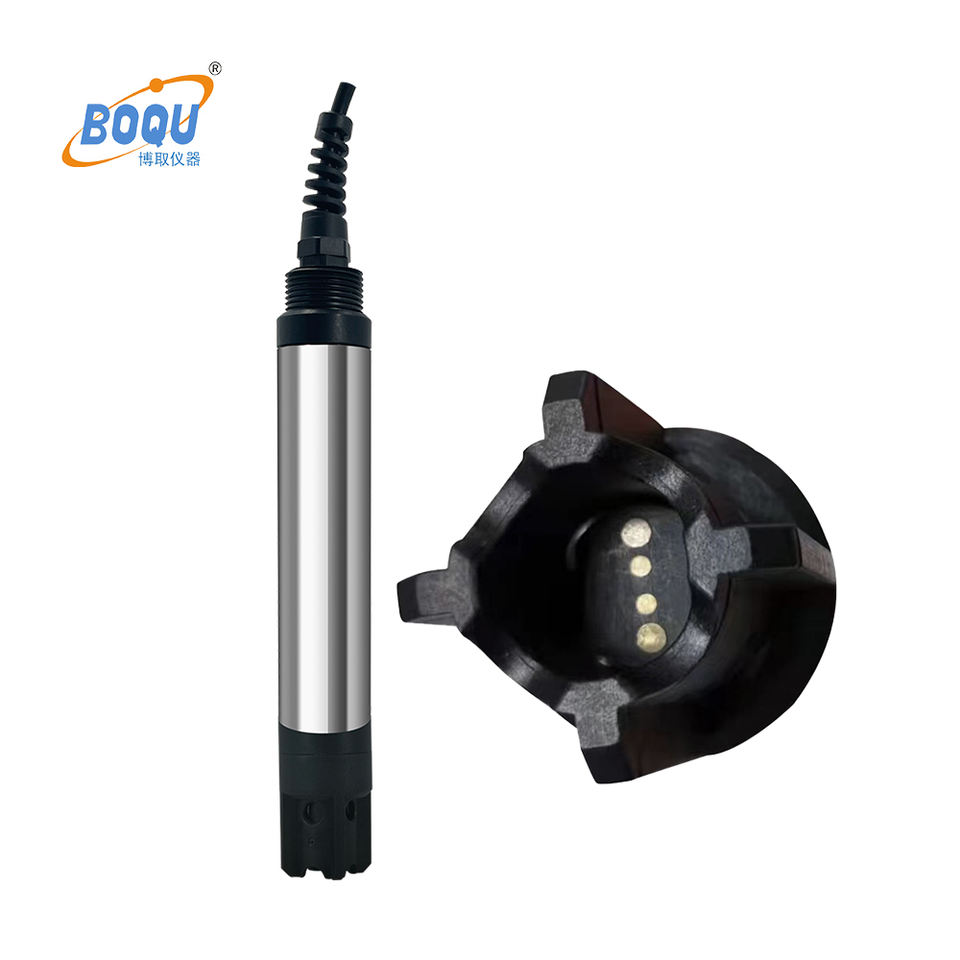
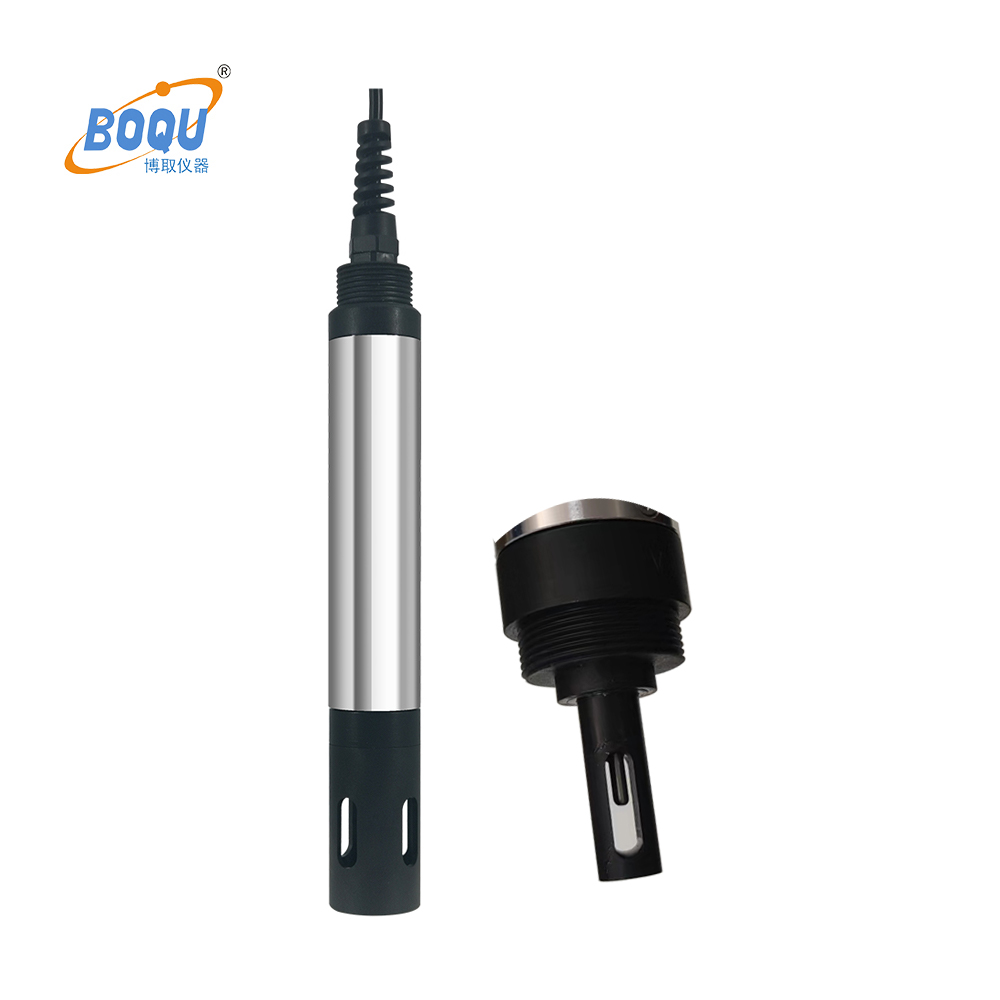
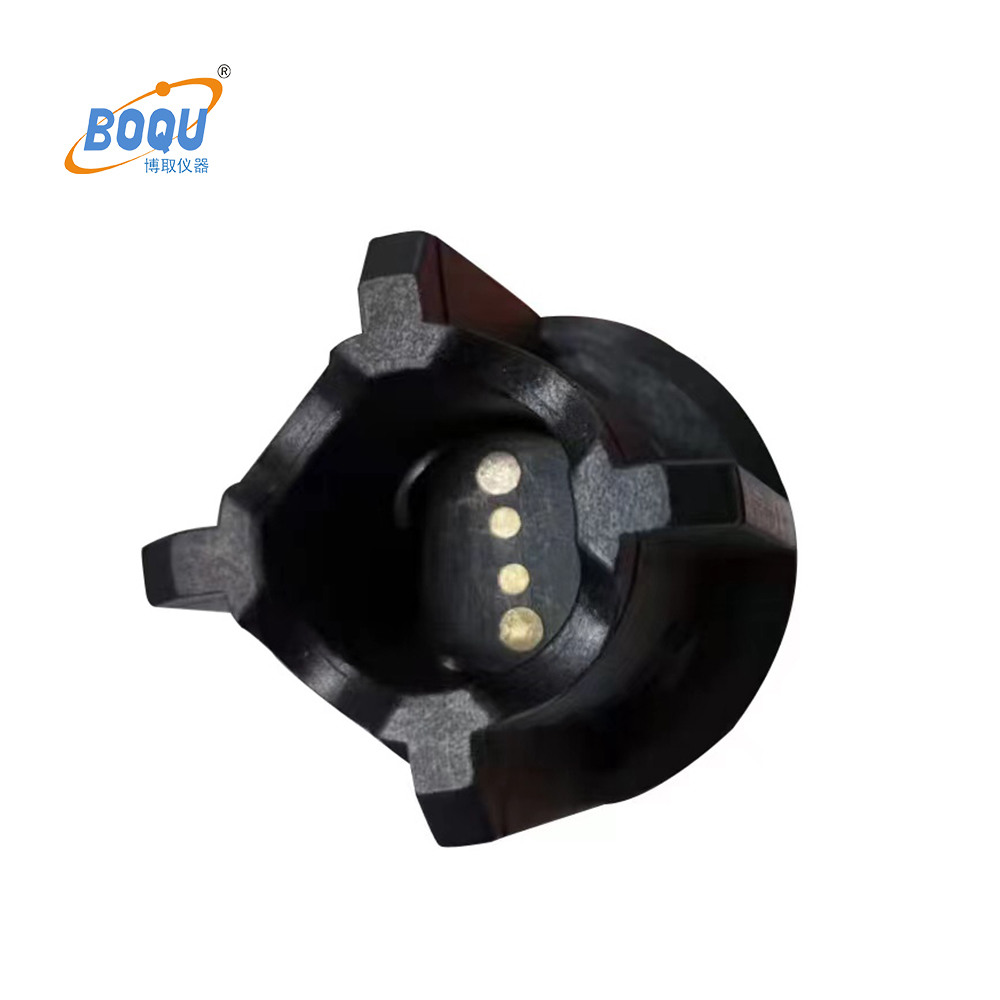


IOT-485-EC Digital Quadruple conductivity sensor
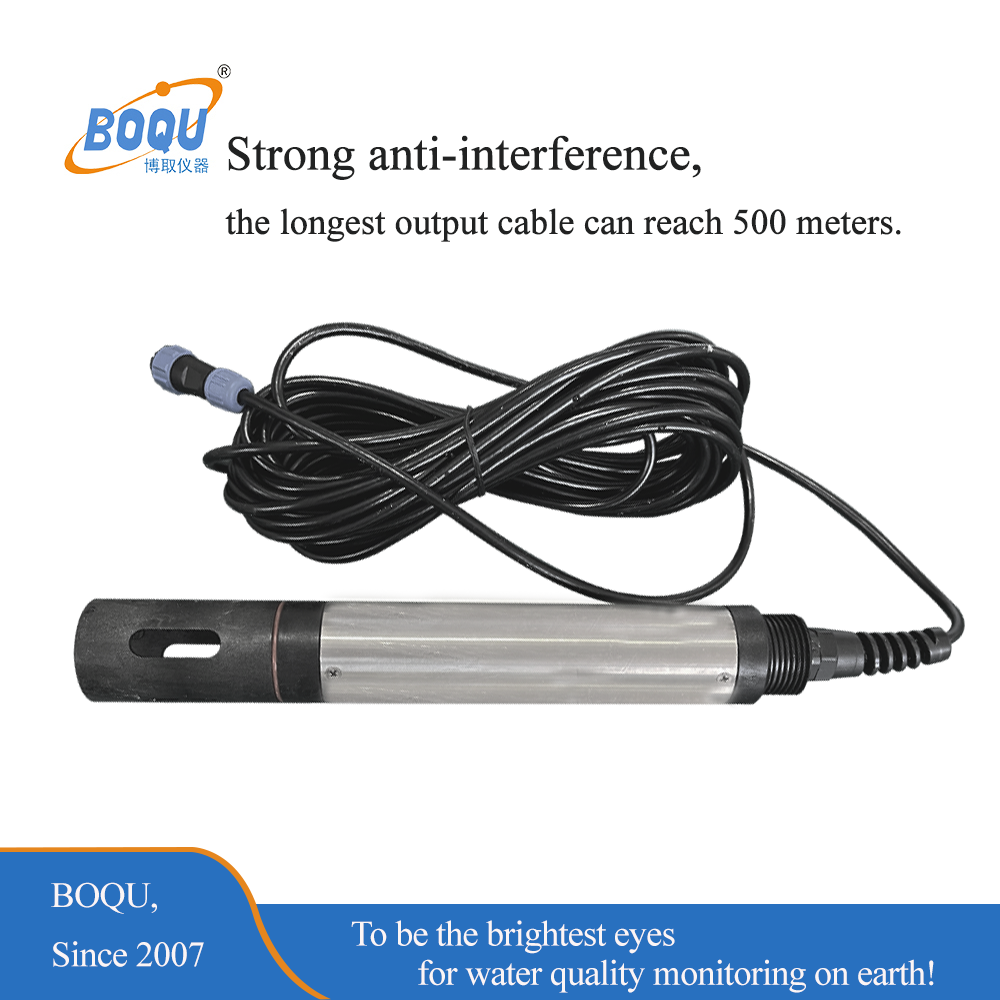
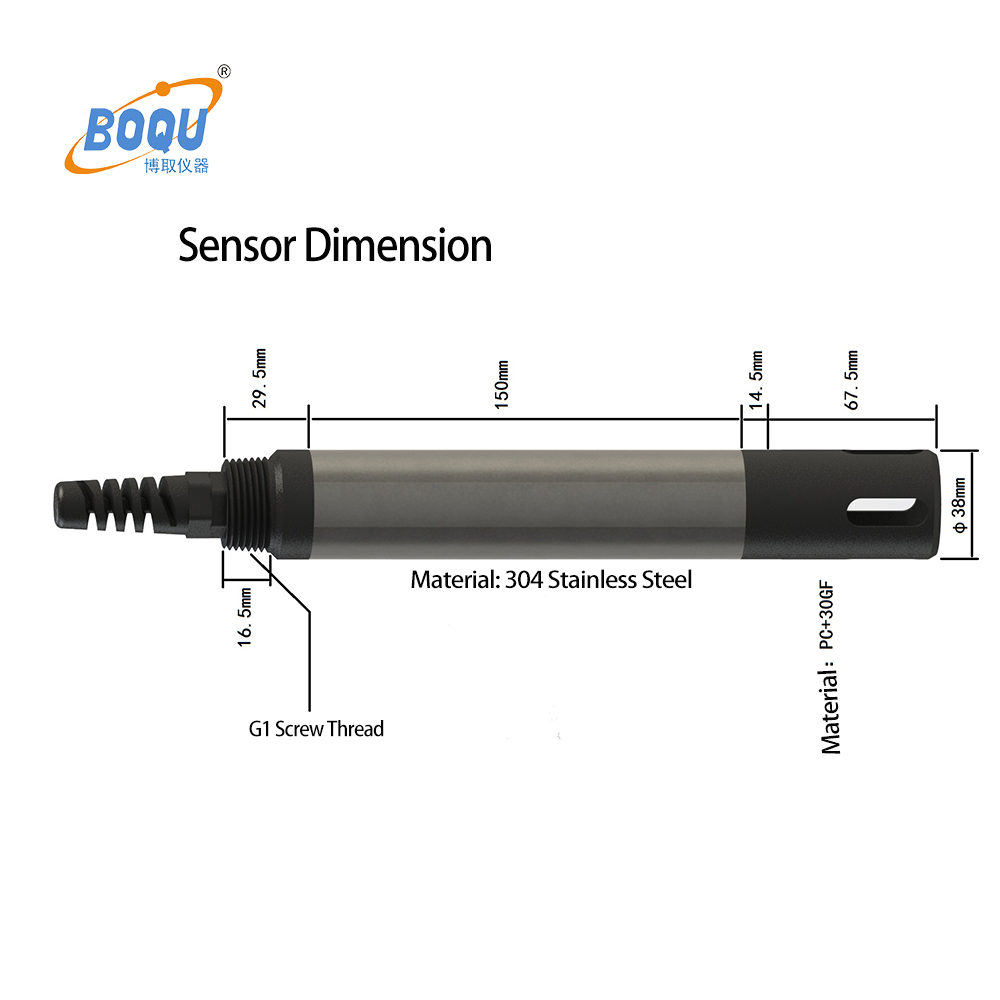
This product is the latest digital conductivity electrode independently researched, developed, and produced by our company. The electrode is light in weight, easy to install, and has high measurement accuracy, responsiveness, and can work stably for a long time. Built-in temperature probe, instant temperature compensation. Strong anti-interference ability, the longest output cable can reach 500 meters. It can be set and calibrated remotely, and the operation is simple.Its probe is available in titanium/titanium alloy or graphite material, and customers can also choose between the two-electrode version or the four-electrode version according to their own requirements.It can be widely used in monitoring the conductivity of solutions such as thermal power, chemical fertilizers, metallurgy, environmental protection, pharmaceuticals, biochemistry, food, and tap water.

What is the difference between a four-electrode conductivity sensor and a two-electrode conductivity sensor?
Two-Electrode Conductivity Sensor
· Structure & Working Principle: It contains only one set of electrodes, and both electrodes undertake the dual functions of applying alternating voltage and detecting current at the same time. Based on Ohm's law, the conductivity is calculated by measuring current combined with the cell constant.
· Core Characteristics: Simple structure, low cost, small size, and simple circuit design. The disadvantages are that it is easily affected by polarization effect; surface contamination of the electrode easily changes the cell constant and causes measurement errors; the lead resistance will affect the accuracy of results during long-cable transmission, and the measurement range is relatively narrow.
· Application Scenarios: It is mainly suitable for low-cost measurement of medium and low conductivity solutions, such as conventional water quality monitoring scenarios including pure water, tap water, and general industrial water.
Four-Electrode Conductivity Sensor
· Structure & Working Principle: It contains two sets of mutually independent electrodes: the two outer electrodes act as current electrodes to apply constant alternating current, while the two inner electrodes act as voltage electrodes only to detect the voltage drop generated when current flows through the solution. The current path and the voltage measurement path are separated, and the conductivity is calculated by measuring the voltage drop under constant current.
· Core Characteristics: It can effectively eliminate the polarization effect, and is not affected by electrode surface contamination, passivation, or cable resistance. It features higher measurement accuracy, better stability, wide measurement range, strong anti-contamination and anti-corrosion capabilities, and longer maintenance intervals. The disadvantages are more complex structure, higher cost, larger size, and higher installation requirements.
· Application ScenariosIt is suitable for high-precision, wide-range measurement requirements, as well as harsh industrial working conditions, such as industrial wastewater, high-concentration solutions, seawater salinity measurement, and pharmaceutical production process monitoring.
What material is the probe of this conductivity sensor made of?
Titanium/Titanium Alloy Probe: It has better corrosion resistance than ordinary stainless steel, strong chemical stability, fast response speed, and high measurement accuracy. It is suitable for the measurement of high-purity water such as pharmaceutical water, semiconductor ultrapure water, and power generation boiler water.
Graphite Probe:It features stable electrical conductivity, moderate cost, good corrosion resistance, and adaptability to wide-range measurement. It is suitable for conventional aqueous solutions and aqueous solutions with medium electrical conductivity.

